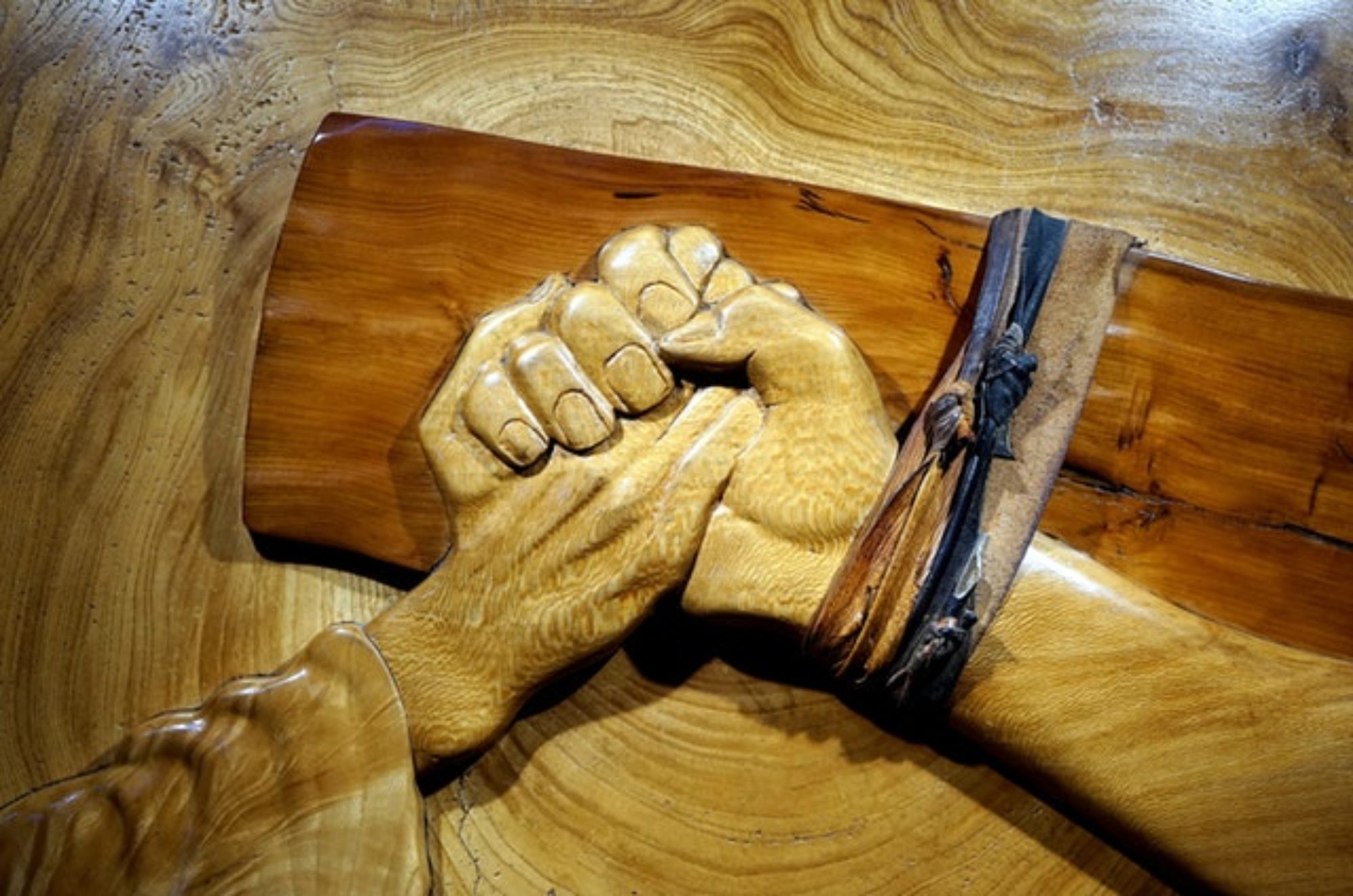
Thank you for visiting. We trust that you have enjoyed reading our articles.

-
Will I See My Pets in Heaven?
 Will I See My Pets in Heaven? “And God said, ‘This is the sign of the covenant I am making between Me and you and every living creature with you, a covenant for all generations to come: I have set my rainbow in the clouds, and it will be the sign of the covenant between Me and the earth. Whenever I bring clouds over the earth and the rainbow appears in the clouds, I will remember My covenant between Me and you and all living creatures of every kind. Never again will the waters become a flood to destroy all life....
 -
Live Life Now!
 Live Life Now! “Not that I was ever in need, for I have learned how to be content with whatever I have. I know how to live on almost nothing or with everything. I have learned the secret of living in every situation, whether it is with a full stomach or empty, with plenty or little” (Philippians 4:11-12 NLT). I have read this Holy Scripture many times and still struggle to understand it. I am confused how Paul can essentially have the same joy with plenty or with little. I have traveled to several developing countries and have witnessed wide spread poverty...
 -
A Lesson On Patience From A Rock Song
 A Lesson On Patience From A Rock Song? "But those who wait on the Lord shall renew their strength; They shall mount up with wings like eagles, They shall run and not be weary, They shall walk and not faint" (Isaiah 40:31 NKJV).I loved the rock singer Tom Petty. One of my favorite songs by Tom Petty and The Heartbreakers was called “The Waiting.” The chorus is: “The waiting is the hardest part. Every day you see one more card. You take it on faith, you take it to the heart. The waiting is the hardest part." I totally agree that...