“But God demonstrates His own love for us in this: While we were still sinners, Christ died for us. Since we have now been justified by His blood, how much more shall we be saved from God’s wrath through Him” (Romans 5:8-9 NIV)!
I was recently speaking to a dear friend about salvation, and she shared with me that years ago she had a deep conversation with her pastor regarding this important subject. The pastor explained to her that as Christians we are not saved from anything but rather are saved for something. That something is our own unique ministry within the Body of Christ. I have thought about this for several days and have a few thoughts to share on this.
From a biblical perspective, salvation is not limited to being rescued from death; it also involves being called into a transformed life and a greater purpose within the body of Christ. The death and resurrection of Jesus Christ accomplish both dimensions simultaneously: deliverance from sin and death, and entrance into a renewed identity and mission.
For some, this new identify may also come with a new name. Name changes in the Bible, such as Abram to Abraham, Sarai to Sarah, and Jacob to Israel, signify a profound transformation, a new covenant, or a change in mission ordained by God. These changes often marked a turning point in the individual’s life, reflecting a new identity or purpose, such as when Jesus renamed Simon to Peter (Rock) or when Saul became Paul
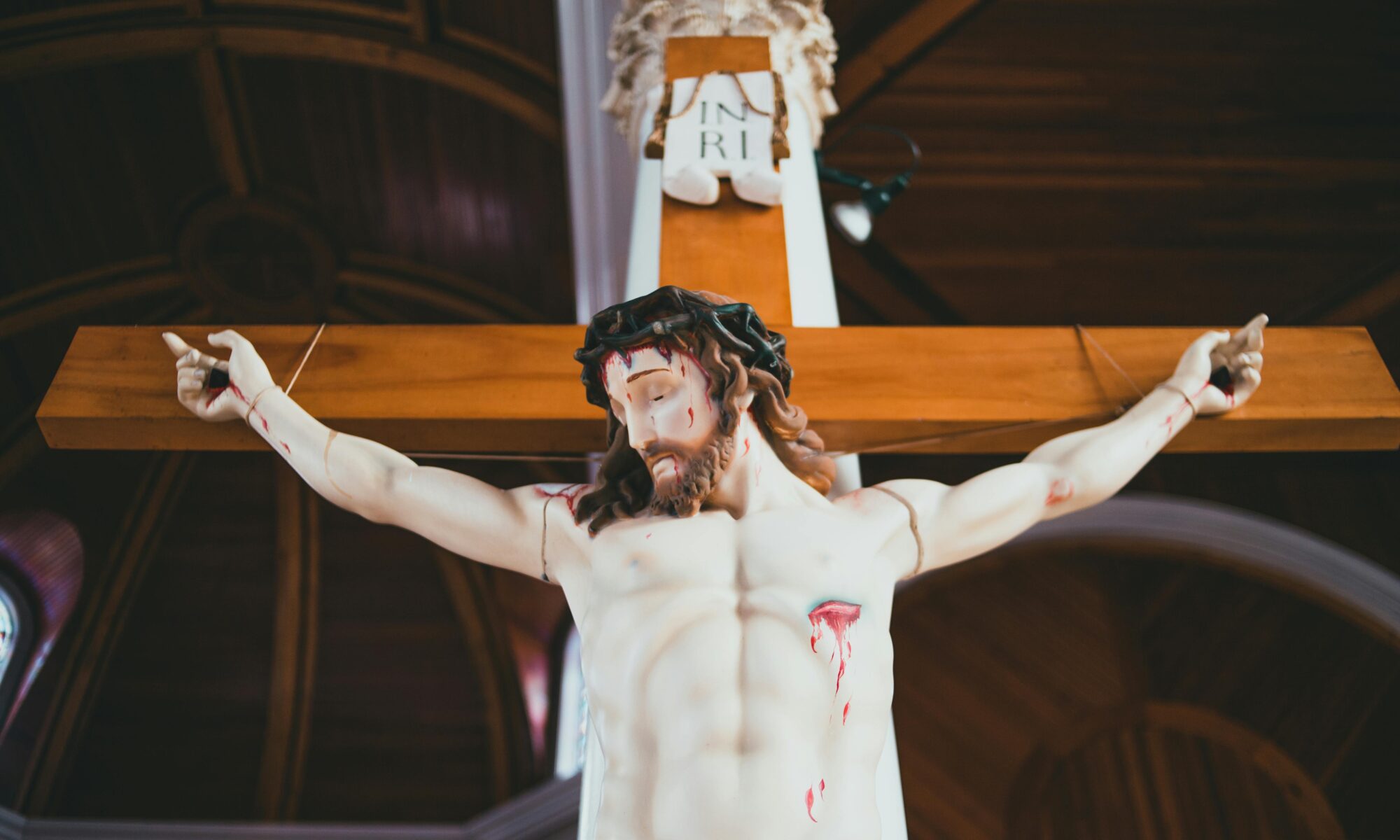
Scripture emphasizes that believers are saved from sin and its consequences through the sacrificial death of Christ. In Romans 5:8–9, Paul writes, “But God demonstrates his own love for us in this: While we were still sinners, Christ died for us. Since we have now been justified by his blood, how much more shall we be saved from God’s wrath through him!” This passage highlights the idea that Christ’s “blood” represents His atoning sacrifice, which satisfies the penalty of sin and restores humanity’s standing before God. Similarly, Ephesians 1:7 declares, “In him we have redemption through his blood, the forgiveness of sins, in accordance with the riches of God’s grace.” These verses make clear that salvation includes forgiveness, justification, and rescue from divine judgment. Without this foundation, no further relationship with God would be possible.
However, the Bible does not present salvation as merely an escape from punishment. It also teaches that believers are saved for a purpose. Ephesians 2:8–10 captures this balance: “For it is by grace you have been saved, through faith… not by works, so that no one can boast. For we are God’s handiwork, created in Christ Jesus to do good works, which God prepared in advance for us to do.” Here, salvation is described as a gift of grace, yet it results in a transformed life characterized by meaningful action. Good works are not the cause of salvation, but they are its fruits.
This purpose is further explained through the concept of the “Body of Christ.” In 1 Corinthians 12:27, Paul writes, “Now you are the body of Christ, and each one of you is a part of it.” Believers are not saved in isolation; they are incorporated into a spiritual community where each person has a unique role. Verses 4–6 of the same chapter add, “There are different kinds of gifts, but the same Spirit distributes them… there are different kinds of working, but in all of them and in everyone it is the same God at work.” This imagery emphasizes unity, diversity, and shared mission. Salvation, therefore, includes being placed into a living, functioning body with responsibilities and contributions that matter.
The resurrection of Jesus Christ is what makes this new life and purpose possible. Romans 6:4 states, “We were therefore buried with him through baptism into death in order that, just as Christ was raised from the dead… we too may live a new life.” The resurrection is not only proof of victory over death but also the source of spiritual renewal for believers. It signifies that salvation is not just about a future hope in heaven, but about present transformation. Likewise, 2 Corinthians 5:17 proclaims, “If anyone is in Christ, the new creation has come: The old has gone, the new is here!” This reinforces the idea that salvation brings about a fundamental change in identity and direction.
The Bible presents salvation as both rescue and calling. Through the death of Christ, believers are saved from sin, judgment, and death. Through His resurrection, they are brought into new life, equipped with purpose, and united within the Body of Christ. These two aspects cannot be separated; to be saved by Christ is to be both delivered and anointed.
 Dealing With Anxiety: Have Faith, For 'God Is Our Partner' "But those who hope in the Lord will renew their strength. They will soar on wings like eagles; they will run and not grow weary, they will walk and not be faint" (Isaiah 40:31 NIV). Waiting is a daily occurrence: We wait in line at the grocery store, post office or on the phone. Sometimes, we are waiting long-term for news regarding a loved one who has suddenly become ill or was in an accident. Waiting is also a part of joyous occasions such as the birth of a child or marriage....
 The Lobbyist “There is a way that appears to be right, but in the end it leads to death” (Proverbs 14:12 NIV). There are numerous non-government organizations and companies that have a substantial lobbying presence in Washington, D.C. An optimist would indicate that the lobbyists are there to educate lawmakers on the nuances of current or pending legislation that affects the employer of the lobbyist(s). A pessimist would state that the lobbyists are there to unfairly influence the legislative process on current or pending legislation. In any event, the job of the lobbyist is to try to convince those in power to...
 Live Life Now! “Not that I was ever in need, for I have learned how to be content with whatever I have. I know how to live on almost nothing or with everything. I have learned the secret of living in every situation, whether it is with a full stomach or empty, with plenty or little” (Philippians 4:11-12 NLT). I have read this Holy Scripture many times and still struggle to understand it. I am confused how Paul can essentially have the same joy with plenty or with little. I have traveled to several developing countries and have witnessed wide spread poverty...